To assign private plate details to a vehicle you normally use the DVLA's online service if the registration number is held on a V778 retention document or on a vehicle you already own. You confirm the number, the vehicle and the keeper, the DVLA updates its records, and a new V5C logbook follows. You then need a new physical plate made by a registered supplier before the number goes on the road.
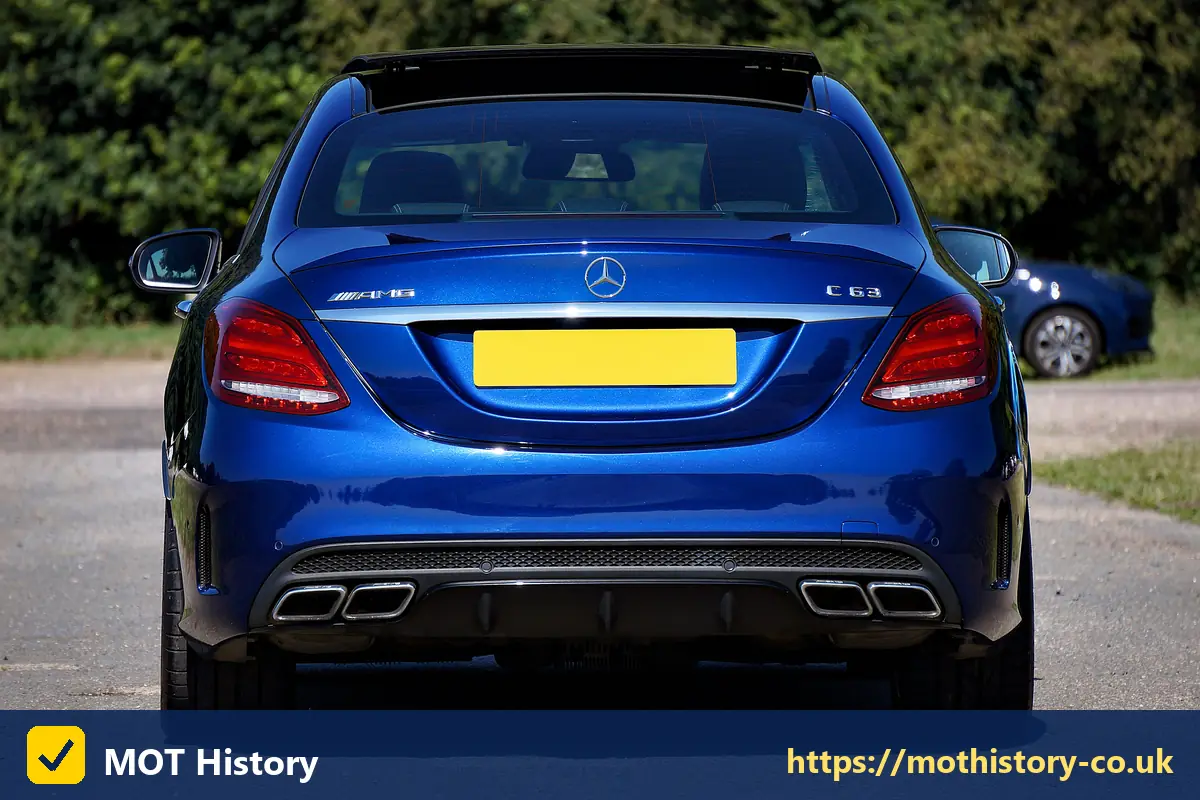
Part of Vehicle Registration. Start with the main guide: Car Spec Check by Registration
Updated October 2026 · Independent information, not legal advice
The process is simple when the paperwork is in order and slow when it is not. Most delays come from a lapsed retention, a vehicle that is not taxed or tested, mismatched names, or a plate that would make the vehicle look newer than it is. The notes below cover the order of steps, the documents involved, the traps and what to check before and after.
What Assigning A Private Plate Means
Assigning is the act of putting a registration number onto a vehicle in the DVLA's records. The plate on the car is only the outward sign; the legal change happens in the register. People ask how to assign a number plate, or about assigning vehicle registration details, and both mean the same DVLA process. If the vehicle keeps the number it already has, there is no plate change to make at all. The official GOV.UK service, sometimes searched as private reg gov, is where the application is made.
A number can live on only one vehicle
A registration number is linked to a single vehicle at a time. Assigning it to a new vehicle means it comes off the old one.
Where the number can come from
- A number you bought from the DVLA or a dealer
- A number you already hold on retention
- A number currently on one of your vehicles that you want to move
- A number you are assigning to a vehicle you just bought
A good way to think about it: the vehicle is the permanent thing and the registration is a label the DVLA attaches. Moving the label does not change the vehicle, its VIN, or its MOT history, which is why buyers of a car with a transferred number should always read the vehicle record rather than the plate alone.
Private Plate Versus Cherished Number
People use the terms loosely. A private plate is any registration you choose rather than the one the vehicle was issued with. A cherished transfer is the move of such a number from one vehicle to another. Cherished number plate explains why certain numbers are valued.
Personalised number plates UK
Personalised number plates UK is the everyday search for this market. They include name-style plates, initials, words and old-style numbers, all issued or recorded through the DVLA.
Because the process changes official records, the DVLA checks that the right person is asking. Expect to confirm your identity and the vehicle details, and expect the DVLA to write to the keeper address on record.
Who Can Do It
Generally, the person who holds the right to the number, or the registered keeper of the vehicle, may apply. A nominee can be named if the keeper is different.
Common combinations
- You hold the retention and own the vehicle
- You hold the retention and want to assign it to a relative's vehicle
- A dealer supplied the number and assigns it to a car you bought
- You are moving a number from one of your cars to another
Who cannot
Someone with no right to the number or vehicle cannot assign it. Do not pay for a number without seeing proof that the seller is entitled to sell it.
Keep photocopies or photographs of everything you send, along with the date. If a dispute arises later, a record of what was submitted and when is the quickest way to settle it.
Documents You Usually Need
Gather paperwork before starting.
- The V5C logbook (often called the log book) for the vehicle, or the new keeper details section if you have just bought it. It shows the make and model, engine size and the vehicle identification number, which is also stamped on the chassis number plate or frame
- The V778 retention document or the certificate of entitlement if the number is held off a vehicle
- Proof of identity where asked
- The vehicle's current MOT and tax position if required
If a document is missing
Replacement routes exist for lost V5Cs and lost retention documents. See vehicle registration document information for what the V5C contains.
The order matters. Applying before the vehicle meets the conditions is the most common reason for a refusal, so finish the checks first and the application second.
The Basic Process At A Glance
The steps are broadly the same for most cases, although details depend on where the number is held.
- Check the number is available and entitled to you.
- Check the vehicle meets the conditions.
- Apply to the DVLA online or by post.
- Receive confirmation and a new V5C.
- Order new plates from a registered supplier.
- Fit the plates and update your insurance.
Online first
Online is usually quicker. Paper is available if you cannot use the online route, and GOV.UK describes the forms to use.
The rule is there to protect buyers. A plate suggests a vehicle age to anyone who reads it, and a number that looks newer than the car could mislead a buyer about what they are getting.
Can The Vehicle Take The Number
Not every vehicle can take every number. The DVLA will refuse a number that makes a vehicle look younger than it is.
The age rule in plain terms
A vehicle can normally take a number that is the same age or older, but not one that suggests a later registration. Check the current rule on GOV.UK before buying a number for an older car.
Quick test
Look at the age identifier on both numbers and compare. UK number plate rules explains formats, and 74 plate year shows how to read a modern identifier.
Different vehicle types can have slightly different conditions, for example for vehicles that have been imported or rebuilt, so read the current DVLA registration plates guidance on GOV.UK if your vehicle is unusual.
Vehicle Conditions To Meet
The vehicle has to be something the DVLA accepts for a transfer. The usual conditions are:
- It is registered in the UK
- It can be used on the road
- It has a current MOT if it needs one
- It is taxed or declared SORN, as appropriate
- It has not been scrapped or written off in a way that blocks the transfer
Why the conditions exist
The transfer should not be used to hide a vehicle's history, so the DVLA wants to be sure the car and its record are sound.
MOT And Tax At The Time Of Transfer
A vehicle normally needs a valid MOT, if required, before its registration can be transferred onto it. See MOT check to confirm the current position.
Tax
Tax does not transfer between keepers, and a change of number does not cancel it. Read vehicle tax status and road tax online for how to tax a vehicle.
SORN cases
If a vehicle is off the road, it may be declared SORN. How to SORN your car explains what that means in practice.
Plan for a short period during which the vehicle carries a replacement number. Do not leave the vehicle in a position where it has no valid registration recorded, and do not drive it on plates that no longer match the record.
How To Take A Reg Off A Car
People ask how to take reg off car or take private reg off car. The phrase covers removing a registration number from a vehicle so it can be held or moved.
Retention applications
The keeper applies to the DVLA to retain the number. If approved, the DVLA issues documentation and the vehicle is given a replacement number.
The vehicle loses its old identity
After the number is removed, the vehicle gets a replacement registration number. It is a different number on the same car, with the same VIN.
Some owners retain a number simply because they fear losing it when a car is sold, even if they have no new car in mind. That is a perfectly ordinary use, and it is less effort than chasing a number after a sale.
Retention Explained
Retention of a private number plate means keeping the registration number off the road in your name while you decide which vehicle to use it on. You get a retention certificate.
What the document is
V778 retention refers to the retention document, which shows you hold the right to assign that number. Keep it safe, because it is the evidence of entitlement.
Time limits
The retention period is limited, and renewals are possible. Check the current terms on GOV.UK and the expiry printed on the paperwork, and apply to renew in good time.
Holding a number on retention means you are the person the DVLA will deal with about it. Keep your address up to date with the DVLA so reminders and documents reach you.
| Action | What it does | Usually needed |
|---|---|---|
| Assign | Puts a number on a vehicle | Certificate or entitlement document |
| Retain | Keeps a number off a vehicle | Vehicle meets the rules |
| Transfer | Moves a number between vehicles | Both vehicles eligible |
| Buy new | Gets a number from a supplier | Registered supplier |
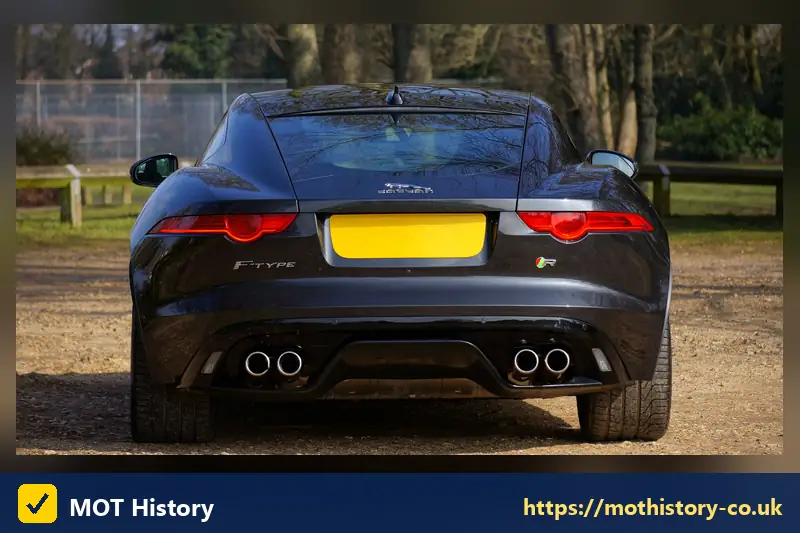
Private Plate On Retention
A private plate on retention is one that is not on any vehicle right now. You cannot display it, and any vehicle using it would be misrepresenting its registration.
What you can do
- Keep it for future use
- Assign it to a vehicle you own
- Nominate another person
- Sell it, subject to the rules
What you must not do
Do not put a retained number on a plate and use it on a vehicle before the DVLA has recorded the change.
Certificate Of Entitlement And Other Proof
The certificate of entitlement is the document issued when a number is bought from the DVLA and not yet assigned. It shows you hold the right to the number, and you use it to assign the number to a vehicle.
Retention certificate versus entitlement
The retention document shows a number was taken off a vehicle and is being held. The certificate of entitlement is issued for a number that has never been on a vehicle, or has come from an auction. In both cases, the document is what you show a buyer or supplier.
Keeping documents safe
- Store them with your vehicle papers
- Keep digital copies
- Note the expiry date
- Do not share scans publicly
Retaining A Car Registration Number When Selling The Car
If you are selling a car with a number you want to keep, deal with the retention first, before the buyer takes the car.
Searches such as retain vehicle registration plate and retaining car registration number describe this same step: the keeper applies to retain the number before the sale completes.
The right order
Retain the number, make sure the vehicle receives its replacement registration, then sell the car with that replacement.
What buyers should ask
Ask whether the number on the car is the original one or a replacement. Find my old car covers how records follow a vehicle after a number change.
Retaining A Registration Number From A Written-Off Or Scrapped Car
A number can sometimes be retained from a vehicle that is not going back on the road.
What to expect
The DVLA may ask for evidence of the vehicle's status. See check if a car has been scrapped and car written off for background.
Timing
Act before the vehicle is passed on for scrap. Once the record shows it as scrapped, transfer options may be limited.
If the car you bought is being sold with a private number included, confirm that both the car and the number are entitled to go together, and check the seller documents cover the number as well as the vehicle.
Assigning A Number To A Newly Bought Car
If you have just bought a car and want to put a private number on it, the new keeper details must be in place first.
The usual sequence
- Become the registered keeper in your name
- Check the car's MOT and tax
- Apply to assign the number
- Wait for the new V5C
Buying from a dealer
A dealer may offer to do the paperwork. You should still check the number, the car and the keeper on the confirmation you receive.
A sensible plan is to do the transfer a private plate process when both cars are roadworthy, taxed and insured, so there are no gaps or awkward waits.
Moving A Number From One Of Your Cars To Another
This is the classic private number plate transfer. One car loses the number, and another takes it.
- Decide which vehicle will carry the number.
- Check that vehicle meets the conditions.
- Apply to transfer the number.
- The original car is given a replacement number.
- Both V5Cs are updated.
Giving the old car a new number
The original vehicle receives a replacement number, which the DVLA may select or which you may already hold.
Number Plate Swap Between Two Vehicles
A number plate swap is an exchange of numbers between two vehicles at once. It can be complex because two records change together.
Conditions
Each vehicle must accept the other's number under the age rules. The keeper of each needs to agree and complete the right paperwork.
Common use
Families with two cars sometimes do this so a preferred number sits on the car they use most.
Online applications are usually accepted only when the details you enter match what the DVLA already holds. A small difference in a name or address can cause the application to be rejected, so copy details exactly from the V5C.
Transferring Registration Plates From Car To Car Online
Many people search for transferring registration plates from car to car online. The online route is the official GOV.UK service linked to the DVLA.
What you enter
You typically enter details of both vehicles, confirm the number and confirm your eligibility.
What you receive
A confirmation, then a new V5C for the vehicle now carrying the number. Timescales vary, so check GOV.UK for the current position.
Cost: How Much Does It Cost To Change Number Plates
People often ask how much does it cost to change number plates or how much to change number plate. The answer depends on two separate parts: the DVLA's assignment fee and the cost of physical plates.
The DVLA fee
There is a fee for assigning or transferring a number. It is set by the DVLA and can change, so check the current figure on GOV.UK.
The plate supplier
Making the physical plates is a separate service. Prices vary by supplier, material and style, so compare a few registered suppliers.
Extra costs
Some numbers need an MOT or tax first, which may add costs if the vehicle is not already up to date.
Reputable suppliers will ask for evidence before making plates. If a supplier offers to make plates for a number without asking for anything, that is a warning sign about the supplier, not a shortcut.
Buying Plates: Registered Suppliers Only
Physical plates must be made by a registered supplier. The supplier will usually ask you to show you are entitled to display the number.
What to bring
- Proof of identity
- The V5C or other paperwork showing entitlement
- The registration number you want
Legal fonts and spacing
Plates must follow the legal format. See show reg plates for what makes a plate non-compliant.
Changing A Registration Plate Versus Changing A Registration Number
Change registration plate and change reg plate are often used as if they mean one thing. They do not.
Changing the physical plate
Replacing a damaged or worn plate with another carrying the same number does not need DVLA action. You just need a legal plate from a registered supplier.
Changing the number
Changing which number a vehicle carries is a DVLA matter and needs the assignment process.
| Point | Changing the plate | Changing the number |
|---|---|---|
| What changes | The plate fixed to the car | The number on the record |
| DVLA involved | Usually not | Usually yes |
| Legal risk | Plate must match the record | Follow the official process |
| Typical use | Damaged or faded plates | Private plate on a car |
How To Change Number Plate Legally
How to change number plate questions usually come down to which of the two above applies to you.
- Same number, new plate: visit a supplier
- New number: apply to the DVLA first
- Wrong number on the plate: replace it with a correct one
What not to do
Never fit plates carrying a number the vehicle is not recorded under. That can be treated as an offence.
Name-Style Plates: Number Plate By Name
Many people search number plate by name and wonder whether a name can be made to fit a format.
How names are made to fit
Letters and digits can look alike, such as O and zero. The DVLA sells available combinations, and plate makers must follow the required spacing.
Legal limits
Altering characters to spell something, by unusual spacing or style, can make a plate illegal. See UK number plate rules.

Checking A Private Plate Before You Buy
A private plate check and a private number plate check are sensible before any purchase.
- Is the number available or already assigned?
- Does the seller hold the right to sell it?
- Is there a current retention document?
- Does the number suit the vehicle's age?
What to ask a seller
Ask for proof of entitlement, the retention expiry and the type of document held. Do not pay in full until you have seen them.
Remember that a lookup shows what is currently recorded, not what was true last month. If a number has just been transferred, the record may take a short while to show the new vehicle.
Private Reg Checker: What A Lookup Shows
A private reg checker can show what is currently recorded against a registration, including the vehicle it is on.
Using the free lookup
Enter the number into the free MOT history checker to see the vehicle linked to a number and its MOT and tax position. It does not show whether the number is held on retention.
What to read
Look at the make, model, colour and first registration year. If the year fits the plate, the number is probably original; if it does not, the number may be private.
How To Find The Original Number Plate From A Private Plate
Some buyers want to find original number plate from private plate details, for history checking. If you are asking how to find original number plate from private plate records, the route below is the legitimate one. The DVLA Vehicle Enquiry Service shows the current vehicle details for a registration, which can help you compare make, model and colour with the paperwork.
What the VIN tells you
The VIN stays with the vehicle, so matching it to old records can reveal an earlier number. See vin from reg and what is a VIN number.
Practical methods
- Ask the seller for old V5Cs or invoices
- Look at earlier MOT certificates
- Check service records for the original plate
- Use a proper vehicle history check
Official limits
The DVLA does not give out keeper details. See find my old car for what can be discovered legitimately.
Another frequent mistake is to assume a number plate transfer also transfers tax or insurance. Neither does, and both need attention separately.
Number Plate Transfer Mistakes
A few errors cause most delays.
- Applying for a number the vehicle is too old for
- Forgetting the vehicle needs a valid MOT
- Using mismatched names on the paperwork
- Letting the retention lapse
- Fitting plates before approval
How to avoid them
Check each item before applying, and keep a record of what you sent and when.
Retention Lapsed Or Expired
If a retention period ends, the right to assign the number may be lost or may need reinstating.
What to do
Contact the DVLA through GOV.UK as soon as you notice. The position depends on how long ago it lapsed.
Prevention
Put the expiry date in a calendar and renew well before it arrives.
Lost V778 Or V5C
Lost documents can often be replaced.
- Lost V5C: apply to the DVLA for a replacement
- Lost V778: contact the DVLA about the options
Interim
Do not fit or use the number until documents are in order. Tax a car without V5 explains some of the wider consequences of missing paperwork.
Avoid planning a sale or a trip around an exact date. Build in extra days, particularly around holidays, and keep the old plates on until the DVLA has confirmed the change.
Timescales And Waiting
The time taken for the DVLA to process an assignment varies. Some are quick; others take longer if the paperwork needs checking.
During the wait
The vehicle keeps its current number until the DVLA confirms the change. Do not swap the plates early.
After confirmation
Order the new plates, fit them and then tell your insurer.
Finance And Private Plates
If a vehicle is on finance, the finance company may have an interest in the vehicle records. Changing the registration without their knowledge can cause problems.
What to do
Check your agreement and speak to the lender before applying. Check finance on a car explains why finance matters to anyone buying a vehicle with a transferred number.
Buyers
A buyer who sees a private plate on a car should still run a finance check, because the number tells you nothing about what is owed.
Insurance After A Number Change
Your insurer needs to know about the new number. A change is usually simple, but the policy should show the correct registration.
Why it matters
An incorrect registration on a policy could cause problems if the vehicle is stopped or involved in an incident. See is my car insured for ways to confirm cover.
Updating Other Records
A few other places may need the new number.
- The DVLA tax record
- Any tolls or parking accounts
- Clean air zone registrations
- Breakdown cover
- The garage holding service records
Keeping history tidy
Keep the paperwork showing the old and new numbers together so you can prove the vehicle's identity later.
A buyer will want proof that the number is yours to sell, such as the retention certificate. Sellers who cannot produce one should not be trusted, and buyers who pay before seeing one take a real risk.
Selling A Private Number
If you want to sell a number separately from any vehicle, it needs to be on retention first.
Learn the process
Sell my reg covers it, and value my number plate explains what influences desirability.
Auctions
The DVLA sells numbers through auctions, explained in DVLA number plate auction.
Buying A Number From The DVLA
DVLA registration plates and DVLA vehicle registration numbers are sold directly through official channels and auctions.
Low-cost numbers
Some people want a number at modest outlay; low cost registration plates sets out what is realistic.
After purchase
You receive a certificate of entitlement that you can assign to a vehicle or hold on retention.
Northern Ireland Plates
Northern Ireland has its own number formats and its own rules for certain transfers.
What to check
Number plates in Northern Ireland and DVLA in Northern Ireland explain how the systems differ.
Motorbikes And Other Vehicle Types
Motorcycles, vans and other vehicles can take private numbers, subject to the same rules.
Format differences
Bike plates have a different physical format, so confirm the size and style with a supplier.
Imported Vehicles And Plates
Imported vehicles may have a number issued when they were registered in Great Britain.
Checks
See car import check to understand how import history can affect records.
Old Vehicles And Classics
Older vehicles can carry a number from their own era or another of similar age.
Matching age
A vintage car can normally take an older-style number but not a newer one. Check the current age rules on GOV.UK.
Fleet And Company Vehicles
A company can hold numbers and assign them to vehicles in its fleet.
- Name the company accurately on all paperwork
- Keep the retention certificates safe
- Use a named contact for DVLA correspondence
Directors and employees
A number belongs to the holder of the entitlement, which may be the business, not the driver.
Fitting The Plates: A Practical Run-Through
When confirmation arrives, the job is straightforward.
- Check the new number against the confirmation.
- Have plates made by a registered supplier.
- Remove the old plates.
- Fit the new ones front and back.
- Check the spacing and characters match the required format.
Checking the result
Photograph the finished plates and compare them with the number on the new V5C. If anything differs, fix it before driving.
Disposing of old plates
Old plates should not be left where they could be used by someone else. Destroy or deface them so the old number cannot be misused.
Private Plates And MOT History
Changing a number does not erase the vehicle's history. The MOT record stays with the vehicle, and tools can link the new and old numbers.
What a buyer should do
Check the VIN, not just the plate. A buyer can run the free MOT history checker on the new number and compare with earlier paperwork.
Scams And Warning Signs
Some numbers are offered by sellers who cannot transfer them.
- Prices that are too good to be true
- No proof of entitlement
- Pressure to pay quickly
- Reluctance to use official channels
Protecting yourself
Use official GOV.UK routes or established dealers, and never hand over full payment before the paperwork is verified.
Questions Buyers Should Ask About A Car With A Private Plate
When a car carries a transferred number, a buyer should ask straightforward questions.
- Is the number included in the price?
- Is the original number available?
- Do the V5C and plate match?
- Has the DVLA confirmed the change?
What if the seller wants to keep the number
Then the seller should retain it first and the car should be sold with its replacement. Buy only after the DVLA has recorded the change and the new V5C shows the number that is on the plates.
Quick Checklist Before You Apply
A final round of checks.
- The number is yours to assign
- The vehicle meets the conditions
- The MOT and tax are in order
- The age rule is satisfied
- Names on all paperwork match
- The retention has not expired
Frequently Asked Questions
How do I assign a private plate to my car?
Use the official GOV.UK service linked to the DVLA. You confirm the number, the vehicle and the keeper, and the DVLA updates its records and issues a new V5C. The vehicle normally needs a valid MOT if required, and must be taxed or on SORN. After confirmation, order plates from a registered supplier and tell your insurer.
How much does it cost to change number plates?
There are two costs. The DVLA charges a fee to assign or transfer a number, and the plate supplier charges for physical plates. Both can change, so check the current DVLA fee on GOV.UK and compare a few registered suppliers. The vehicle may also need an MOT or tax before the transfer can go ahead.
What is a V778 retention document?
A V778 is the retention document showing you hold the right to a registration number that is not on a vehicle. It allows you to assign the number later. Keep it safe, note the expiry, and renew before it lapses. If it is lost, contact the DVLA about replacement options.
Can I put a private plate on any car?
Not always. The number must not make the car look younger than it is, the vehicle must be registered in the UK and usable on the road, and it normally needs a valid MOT if required. Check the age rule on GOV.UK before buying a number for an older vehicle.
Can I use a plate before the DVLA confirms?
No. Until the DVLA has recorded the change, the vehicle's registration has not changed, and fitting the new plates could be treated as displaying the wrong registration. Wait for confirmation, then fit plates made by a registered supplier and update your insurance.
How do I take a private reg off a car?
Apply to the DVLA to retain the number from the vehicle. If approved, the vehicle is given a replacement number and you receive retention documentation. Do this before selling the vehicle. Once the change is recorded, you can hold the number on retention or assign it to another vehicle.
What happens to the old car after a transfer?
It receives a replacement registration number and keeps its VIN and history. The V5C is updated to show the new number. The MOT record follows the vehicle, so anyone running a check on the new number can still see the vehicle's earlier tests.
Do I need a new V5C after assigning a number?
Yes. The DVLA normally issues a new V5C showing the new registration number. Keep it safe, because you will need it when you sell the vehicle or tax it. If you have not received it after the usual waiting time, contact the DVLA through GOV.UK.
How do I find the original number plate from a private plate?
The VIN stays with the vehicle, so it is the best route. Compare it with old V5Cs, invoices, service records and earlier MOT certificates. The DVLA does not release keeper details, but a proper vehicle history check can reveal earlier registration numbers in many cases.
Can I check a private plate before buying it?
Yes, and you should. Ask the seller for proof of entitlement and the retention expiry, and confirm the number is not already on a vehicle. A free registration lookup can show whether a number is currently on a vehicle and what that vehicle is. Do not pay in full until you have seen the documents.
Does changing a number plate hide a car's history?
No. The history is tied to the vehicle through its VIN, not just its number. MOT records follow the vehicle, and history checks can link old and new numbers. Trying to use a transfer to disguise a vehicle can be an offence, so transfer openly and keep records.
Can I transfer a number plate between family members?
Often yes. The holder of the right to the number can nominate another person as the keeper of the vehicle receiving it, provided the DVLA's conditions are met. Names on the paperwork must match, and each vehicle must meet the age and MOT requirements. Check the current process on GOV.UK.
What if my retention has expired?
Contact the DVLA as soon as possible. Depending on how long ago it lapsed, you may be able to renew or reinstate the right to the number, but this is not guaranteed. To avoid the problem, diarise the expiry date and renew well in advance.
Is a number plate swap between two cars possible?
Yes, but it is more involved, because two records change. Each vehicle must be eligible for the other's number under the age rules, and both keepers must agree. The DVLA's online service or paper route will guide you through what is required.
Can a private plate be put on a motorbike?
Yes, motorcycles can carry private numbers under the same general rules. The physical plate is a different format, so confirm the size with your supplier. The vehicle still needs to meet the DVLA conditions, including any MOT requirement.
Official Sources
Rules, fees and deadlines change. Confirm anything that affects your money or legal position with the official service.