What to look for when buying a used car comes down to four things: the paperwork, the vehicle's recorded history, its physical condition and how it drives. Start with the free MOT history checker for test results and mileage, then run a finance and write-off check, inspect the car in daylight and test drive it. Only pay once everything matches what the seller said.
Part of Used Car History. Start with the main guide: HPI Clear: What a Clear Vehicle History Means
Updated October 2026 · Independent information, not legal advice
A sound purchase is mostly about not skipping steps. Buyers get caught by rushing, by trusting an advert, or by falling for a good story. The answers below work as a used car checklist from first look to handover, covering private and dealer sales, electric cars, vans and what to do if something feels wrong.
Set A Budget And A Shortlist First
Before searching, decide what you can afford, including insurance, tax, servicing and likely repairs, not just the asking price. A clear budget makes it easier to walk away from a car that stretches it.
Shortlist by need, not by photo
List what you genuinely need: seats, boot space, fuel type and running costs. That stops you falling for a car that does not fit your life.
- Budget for insurance and tax
- Set aside money for early repairs
- Decide your walk-away price
Total cost of ownership
Think beyond the price: insurance group, fuel economy, tyre costs and servicing all add up. A cheap car with expensive parts can cost more over a year than a dearer, simpler one.
If you are borrowing, look at the full cost of any agreement and never commit to finance before you have checked the car. Cooling-off rights and cancellation terms differ by product, so read the paperwork and check the current position on GOV.UK.
Research The Model Before The Car
Every model has known weak points, such as a timing belt interval, gearbox issues or rust-prone areas. A few minutes researching them helps you ask better questions and judge whether the price is fair.
Sources for research
Owners' forums, manufacturer service schedules and independent reviews help. Treat single complaints with caution and look for repeated patterns.
Known faults and recalls
Search for common faults and safety recalls for the exact model and year. A reputable seller should be able to say whether any recall work has been done.
Advice On Buying A Used Car: The Order Of Checks
The best advice on buying a used car is to work in a sensible order, because each step can end the process cheaply. Free records first, paid checks second, inspection third and payment last.
A simple sequence
- Read the advert and compare it with the free record
- Phone the seller with your questions
- Run a finance, stolen and write-off check
- View the car and paperwork in daylight
- Test drive, then negotiate
Keep notes as you go, because details blur quickly when you look at several cars. A simple spreadsheet or note on your phone with registration, asking price, mileage, test history and questions makes comparison fair and stops a pushy seller from rewriting what was said.
Read The Advert Critically
An advert is marketing. Look for what it does not say: no mention of service history, vague mileage, photos that avoid certain angles, or pressure phrases such as "must go today".
Warning phrases
- "Sold as seen" with no explanation
- "Needs a little TLC"
- "No time wasters"
Photos and descriptions
Count the photos and look for missing angles. If the interior, engine bay or underside are not shown, ask for them. A seller with nothing to hide will usually oblige.
Run The Registration Before You Travel
Use the registration to check the free record first. You can see make, model, colour, fuel, MOT history, mileage and tax status at no cost, and spot mismatches before you leave home. See used car lookup for more detail.
What to compare
Advert claims against record entries: colour, fuel, engine size, year and mileage.
Checking the plate itself
Make sure the registration in the photos matches the one quoted. A different plate in the pictures suggests the images may belong to another car.
What To Check When Buying A Used Car: The Free Record
What to check when buying a used car starts with test history. Look for failures, recurring advisories and gaps. Use MOT check for help reading results.
- Expiry date and recent test result
- Odometer readings over time
- Advisories that never seem to be fixed
Tax and SORN
Check whether the car is taxed or declared SORN. A long SORN period can hint at a car stored for some time, which may need a fresh look at brakes, tyres and fluids. See check if a vehicle is SORN.
Mileage And The Odometer
Recorded mileage should rise steadily. Falling figures, long flat stretches or a very low figure compared with the car's wear should prompt questions. See mileage check.
Wear that contradicts the mileage
A worn steering wheel, pedals and driver's seat on a supposedly low-mileage car are a mismatch worth raising.
Comparing sources
Put the MOT mileage, the service book and the dashboard reading side by side. They should tell the same story. If they do not, ask the seller to explain before going further.

Things To Check When Buying A Used Car: Paperwork
Things to check when buying a used car include a matching V5C, service records, MOT certificate, receipts for major work and any warranty documents. Paperwork should agree with the car and with each other.
- V5C name and address match the seller
- Registration and VIN match the car
- Receipts support the claimed work
Spare keys and handbooks
Ask for both keys, the handbook and any locking wheel nut key. Missing keys can be expensive to replace, and the seller's answer may tell you something about how the car was used.
Checking The V5C
Read every section of the V5C. Check the registration, make, model, colour, engine number and VIN. The V5C is often called the logbook, and it is one piece of vehicle provenance: the documented story of where the car has been. See vehicle registration document information.
Warning signs
A seller who cannot produce it, a document that looks altered, or an address that does not match the seller's.
VIN And Chassis Number Checks
The VIN on the paperwork should match the number on the car, usually at the windscreen base and in the engine bay or door pillar. Mismatches can indicate a cloned or altered vehicle. See car vehicle identification number.
- Look for tampering or re-stamped digits
- Check that plates are not glued on
Where problems hide
VINs can be hard to read under dirt or underseal. Take a torch and photograph each number so you can compare it calmly afterwards against the documents.
Outstanding Finance
A car with outstanding finance can be reclaimed by the lender, even after you have paid the seller. A finance search is essential. Read check finance on a car.
What to do if it shows finance
Do not proceed until the agreement is settled and the lender confirms in writing.
Why sellers sometimes do not know
A seller may honestly believe the car is paid for. Agreements can have a final balloon payment or be settled late, so the check protects both you and them.
Write-Off And Stolen Checks
A write-off category shows whether an insurer judged the car a total loss, and a stolen vehicle check covers police records such as the Police National Computer. Insurer total-loss data is held on the MIAFTR database, which history check providers draw on. See check if a car has been written off and Category N and S explained.
- Ask which category applies and why
- Request repair evidence
- Think about resale value
Reading the answer
A repaired write-off may be perfectly usable, but it affects resale value and sometimes insurance. Understand exactly what happened before you agree a price.
HPI And Vehicle History Checks
A vehicle history check bundles finance, stolen, write-off and plate data. HPI is one well-known brand, and others exist. Compare coverage. Read HPI clear for what a clear result means.
Keep the report
Save the report and registration, and note the date you ran it.
What a report should cover
Look for finance, stolen, write-off, mileage and plate change data. If a report lacks any of these, ask what else you need to do.
Previous Keepers And Ownership
The number of previous keepers provides context but is not shown on the free record. Ask the seller and read the V5C. See how many owners has my car had.
- Many keepers in a short period merits questions
- Company cars have different patterns
Keepers versus owners
A keeper is the person registered to use the car, while the owner may be a lender. Always ask who the legal owner is, not only who is selling.
Service History
A service history shows how the car was looked after. Look for regular stamps or invoices that match mileage. Read car service history.
Verify, do not just trust
Phone a garage named in the book to confirm a visit.
Gaps and explanations
A gap can be innocent, for example a spell abroad or a garage that closed. The key is whether the seller can explain it and the rest of the record is believable.
Imported And Scrapped Vehicles
An imported vehicle may have different records, and a scrapped vehicle should not be on sale. Use car import check and how to check if a car has been scrapped.
- Ask for import papers
- Question history that begins suddenly
Cloned identities
If a car's details seem too good, or a price is unusually low, check that the VIN, engine number and plates all line up. A clone can carry another vehicle's identity.
Viewing The Car: Conditions Matter
View the car in daylight and dry weather, because rain hides paint flaws and dark hides dents. Ask to see it cold, since a warm engine can hide starting issues.
Take a friend
A second person notices what you miss and helps you resist pressure.
Make the seller comfortable
Ask to meet at the seller's home so you can see where it is kept. A genuine seller is used to viewings and will not mind you checking paperwork properly.
Things To Look For When Buying A Used Car: The Outside
Things to look for when buying a used car outside include uneven panel gaps, mismatched paint, rust at sills and wheel arches, and cracks in glass. Crouch to look along the sides for ripples.
- Overspray on rubber seals
- Tyres worn unevenly
- Headlights that look dull or different
Signs of accident repair
Different paint shades between panels, uneven gaps around doors and bonnet, and ripples in the metal all hint at previous repairs. Ask direct questions if you see them.
Tyres, Wheels And Brakes
Check tyres for tread depth, cracks and uneven wear, which can signal alignment or suspension issues. Look through the wheels at brake discs for heavy corrosion or deep grooves.
Four matching tyres
Mixed brands are not always bad, but very different wear suggests neglect.
Legal tread and safety
Tyres must have enough tread to be legal, and damaged tyres are unsafe. Budget for replacement if they are close to the limit.
Under The Bonnet
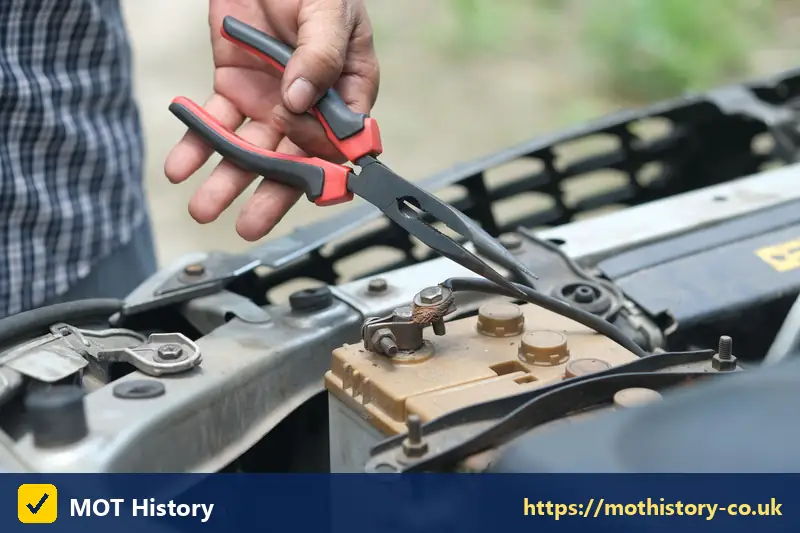
Look for oil leaks, frayed hoses, dirty coolant and a clean engine that looks suspiciously steam-cleaned. Check oil on the dipstick for colour and any milky residue.
- Oil cap should not be coated in white sludge
- Coolant level should be correct
- Belts should look intact
What not to do
Do not start poking around a hot engine. Wait until it is cool, and avoid touching belts or electrical parts unless you know what you are doing.
Inside The Car
Interior wear should match the mileage. Check seatbelts, seat adjustments, windows, air conditioning and all switches. Smells of damp can signal water leaks.
Warning lights
All lights should illuminate briefly at start-up and then go out. A missing or permanently lit light deserves a question.
Water and smoke
Press the carpets and check the boot floor for damp, and notice any heavy air-freshener smell that might hide problems. A musty odour can mean a leak that will be costly to trace.
Electrics And Features
Test every electrical item: windows, mirrors, locks, infotainment, heated seats and parking sensors. Repairs can be costly, and faults sometimes only appear when you use each feature.
- Test the central locking with the key and remote
- Check charging sockets and USB ports
Dealing with minor faults
Note anything that does not work and ask for a price adjustment or repair before purchase. Small faults can reveal a wider problem in a wiring loom.
Electric And Hybrid Cars
Ask about battery health, charging cables, charging speed and the battery warranty. Electric cars need an MOT when old enough, but the free record will not show battery condition.
Specific questions
How old is the battery, has it been degraded, and is the warranty transferable?
The Test Drive
Start from cold, listen for unusual noises, feel for vibrations, and check the car tracks straight. Test brakes on a safe road, and try all gears.
Insurance on test drives
Check the seller's insurance covers you, and do not drive an unfamiliar car without cover. Bring your licence.
What to notice
Notice clutch bite, gear changes, steering pull, brake feel and any warning lights that come on once you are moving. Drive on different road types if you can.
After the drive, sit quietly for a minute and think. Did anything feel off? Did the seller rush you? Returning to the car with fresh eyes, and checking for leaks underneath after the engine has run, often reveals things you missed while concentrating on the road.
Questions To Ask The Seller
Good questions reveal a lot. Ask why they are selling, how long they have owned it, what work has been done and whether there are any known faults.
- How many keys are there?
- Has it had any accident damage?
- Is the cambelt or chain history known?
Listening for consistency
Ask the same question twice in different ways. If the answers change, treat it as a warning. Honest sellers tend to be consistent, even when the answer is "I don't know".
Private Seller Versus Dealer
Dealers are usually covered by stronger consumer rules, while private sellers are bound by the description. Check GOV.UK for the current position before relying on a particular right.
Payment
Use a traceable method, get a written receipt and avoid large amounts of cash.
| Point | Private seller | Dealer |
|---|---|---|
| Consumer rights | Bound by the description | Usually stronger rules |
| Identity check | Name matches the V5C | Business details visible |
| Payment | Traceable, with a receipt | Written terms and receipt |
| Main risk | Hidden trader posing as private | Sales pressure |
If the seller is a trader pretending to be a private individual, consumer rights could be weaker for you than you assume. Clues include several cars advertised from one phone number, and a reluctance to show the V5C in their name. Report concerns through the proper consumer channels.
Independent Inspection
If you are unsure, pay for an independent inspection. See vehicle inspection check. A professional can find issues that a short viewing will not, and their report helps you negotiate.
- Choose a garage with no link to the seller
- Ask for a written report
What an inspection covers
Compare the options for a pre-purchase inspection, and ask what the report includes, such as a road test, brake check and a computer scan for fault codes.
Negotiating
Use what you found: advisories, worn tyres, missing service records or overdue servicing. Be polite, specific and ready to walk away.
Sensible offers
Base your offer on costed repairs, not on a general desire for a discount.
Staying calm
Do not reveal how much you like the car. A calm, factual conversation usually works better than hard bargaining, and an offer tied to specific faults is easier to accept.
Timing can help as well. Sellers who have had a car on the market for weeks may be more flexible, while a fresh advert with lots of interest leaves little room. Whatever happens, agree the price and any promised repairs in writing before money changes hands.
Tax, Insurance And MOT At Handover
Vehicle tax is not transferred when you buy, so tax the car before driving. Arrange insurance and check the MOT expiry. See road tax online and is my car insured.
- Tax in your name
- Insure before you drive away
- Note the MOT date
Notifying the DVLA
Complete the new keeper section of the V5C and send it as directed, and keep the seller's details. The seller should also notify the DVLA of the sale.
Before you drive away, double-check that the registration on the insurance certificate matches the car exactly, and that the MOT is valid. If the MOT is close to expiry, book the next test immediately, using when is my MOT due to plan the date.
Used Car Checklist To Print Or Save
This used car checklist can be kept on your phone.
Before you go
- Free record checked
- Finance and write-off checked
- Questions prepared
At the viewing
- V5C and VIN matched
- Bodywork and interior inspected
- Test drive done
Adapt the list to the car. A van needs checks on the load area and bulkhead, a motorbike needs a look at the chain and forks, and an electric vehicle needs questions about the battery. The habit of ticking items off helps whatever you buy.
Frequently Asked Questions
What should I look for when buying a used car?
Check the paperwork, the vehicle's recorded history, its physical condition and how it drives. Use the free record for MOT history and mileage, run a finance and write-off check, view the car in daylight, test drive it and confirm the V5C matches the car before paying.
What are the first things to check when buying a used car?
Start with the registration. Check the free record for test history, mileage and tax, then compare it with the advert. After that, run a finance and stolen check and ask for the V5C and service history before making the journey to see the car.
What to look for when buying a pre owned car?
The same checks apply to a pre owned car as any used car: paperwork, history, inspection and test drive. A pre owned label from a dealer does not remove the need to check finance, write-off status, service records and the car's condition yourself.
Is there a used car checklist I can follow?
Yes. Work through free records, paid history checks, paperwork, exterior, interior, under the bonnet, test drive and handover tasks. Write the checklist on your phone, tick items as you go and do not skip any step because the seller seems friendly.
What advice on buying a used car is most important?
Never pay before you have verified the car and paperwork, and never feel rushed. Check finance and write-off data, see the V5C, confirm service history, and walk away if the seller avoids questions. A missed check can cost far more than a lost deal.
What things to check when buying a second hand car are easy to miss?
People often miss the VIN match, overspray inside door shuts, mismatched tyres, missing service evidence and unresolved advisories in the MOT record. Also check that every key works, and that warning lights come on and go off at start-up.
What to check when buying a car from a private seller?
See the V5C at the seller's address, match their name to the document, run a finance check, inspect the car and confirm it is taxed in your name after purchase. Pay by a traceable method and keep a written receipt with the seller's details.
Does a full MOT mean the car is good?
No. A pass shows the car met minimum standards on the test day. It is not a guarantee about the engine, gearbox or wear. Read the advisories, then look at service history and inspect the car to judge its condition.
Should I get an independent inspection?
If you lack experience or the car is expensive, yes. An independent inspection can reveal accident repairs, corrosion and mechanical faults, and the written report helps you negotiate or walk away. Choose a garage that has no link to the seller.
Can I trust a dealer's history report?
It is useful, but check the date, registration and provider, and ideally run your own check. A report that is out of date or for a different vehicle is worthless, and you should be able to verify any claim independently.
What paperwork do I need at handover?
Ask for the V5C with the new keeper slip, the MOT certificate, service history, receipts for major work, spare keys, handbooks and any warranty papers. Get a written receipt with price, date, registration and both parties' details.
What if I find a problem after buying?
Gather evidence, contact the seller promptly and check your rights on GOV.UK, which depend on whether you bought from a dealer or a private seller. Do not attempt repairs before getting advice where a dispute is likely, and seek professional help if needed.
Official Sources
Rules, fees and deadlines change. Confirm anything that affects your money or legal position with the official service.